What Is It Really Like to Be an Au Pair?
Thinking about becoming an au pair? You probably have lots of questions. What will you do each day? Will you get on with your host family? Will you make friends? What happens if you feel homesick?

Au pairing is a chance to live in another country as part of a local family. You help care for their children, and in return you get a home, support and the chance to experience everyday life in a new country.
It can be exciting and fun! It can also be tiring, awkward and sometimes lonely. 😞 That is normal. You are not going on holiday. You are building a new life for a season, with real responsibilities and real relationships.
For a Christian, faith is an important part of this too. The family you live with, the church you find and the Christian friends you make can shape your whole experience.
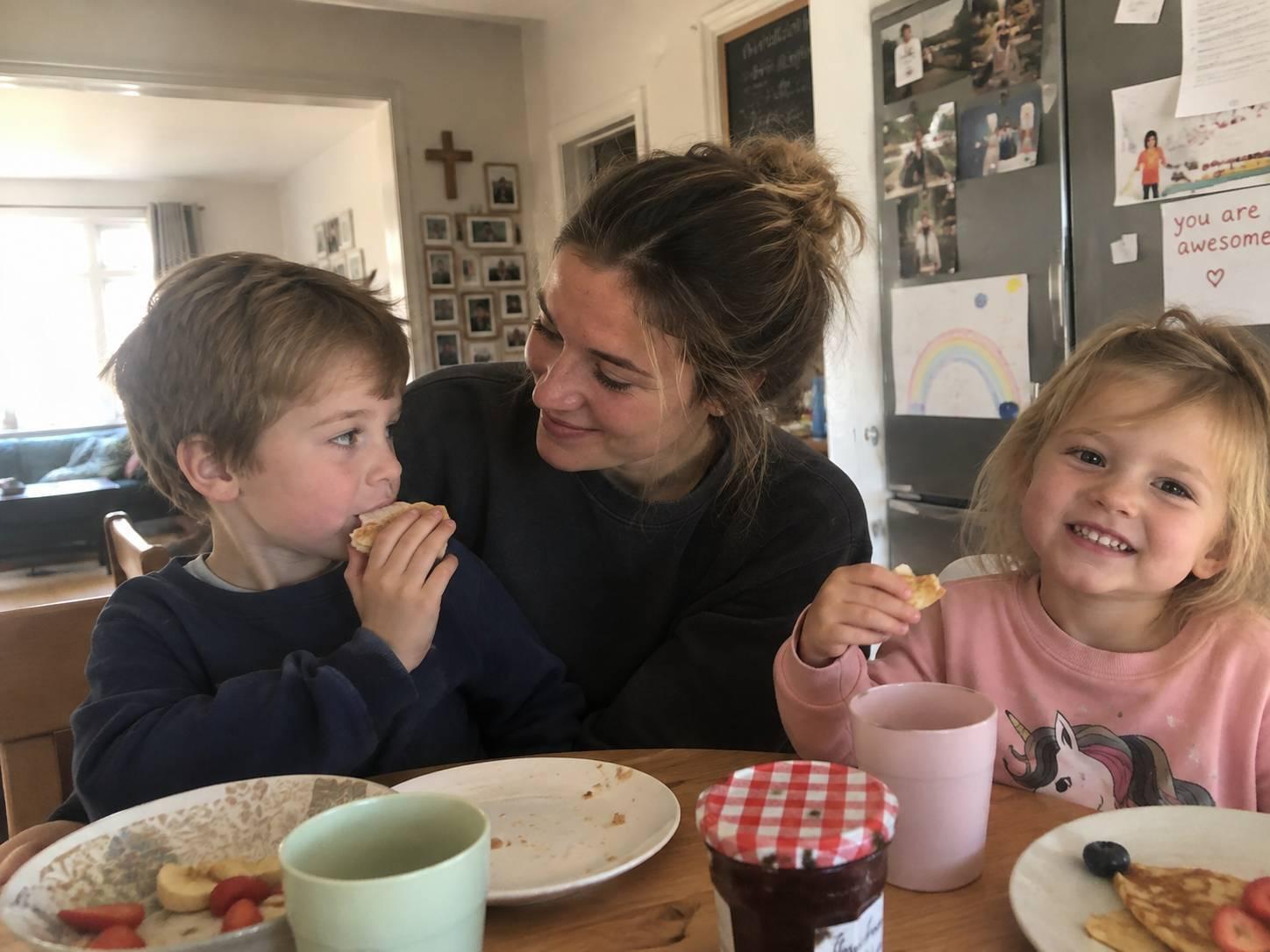
1Your day will usually centre around the children
Your morning might include helping the children get dressed, making breakfast and getting them ready for school or nursery. You might walk or drive them to school, take a younger child to an activity, or care for a child at home.
Tidying after breakfast, preparing simple meals or putting toys away may be part of your daily routine.
If the children are at school, you may have free time during the day. Later, you might collect them, make a snack, help with homework, play with them or take them to an activity. Some families may also ask for help with dinner, bath time, bedtime or occasional babysitting. 🍼
Before you accept a placement, make sure you understand what the family expects. Ask to see a normal weekly timetable. Clear expectations make life much easier for everyone.
2You will be living in someone else’s family home
This is one of the biggest differences between au pairing and a normal job. Your workplace is also your home.
You will see family life as it really is: relaxed weekends, busy school mornings, tired evenings and days when plans go wrong. You will learn the family’s routines, habits and way of communicating. They will be learning about you too!
You should have your own private room, but you will also share much of everyday life with the family. You may eat together, go to church together, join family outings and celebrate special occasions together. 🎉
You will often hear that an au pair becomes “part of the family”. Sometimes that happens very quickly — sometimes the relationship is warm and close but feels different from being another daughter. That is okay.
Do not put pressure on yourself or the family to create a perfect relationship straight away. Trust takes time. Be reliable, communicate clearly and take an interest in family life.
3Caring for children is fun, but it is also real responsibility
The children may become one of the best parts of your year. ❤️ You can share games, trips to the park, craft projects, bedtime stories, funny conversations and important milestones.
But children also have bad days. They get tired. They argue. They have tantrums! Sometimes they'll just ignore instructions. Looking after children every day takes patience and consistency.
You are not just an older friend. When the children are in your care, you are a responsible adult. You need to understand the parents’ rules and know what to do when a child does not listen.
Be honest about your childcare experience when you apply. A family with a baby or several young children may need a very different au pair from a family with older children. A good match should fit your real experience, not the experience you think you ought to have.
4A Christian match is about more than going to church
At Christian Au Pairs, faith is an important part of the match. 🙏 You are going to live in someone else’s home and help care for their children, so shared values can make a real difference.
But two Christian families can be very different. Churches have different denominations, worship styles and traditions. Families also express their faith in different ways.
So the important question is not simply, “Are they Christian?” It is also, “What does their faith look like in everyday life?”
Think about the values taught to the children, prayer and church life, conversations around the dinner table and the way the family treats other people. These things can affect how comfortable you will feel in the home.
This is why Christian Au Pairs uses personal matching rather than simply showing you a large database of families. We want to understand you, your faith and the kind of family where you are likely to feel at home. Church references and personal conversations help us do that.

5Finding the right church can make a big difference
Your host family may invite you to their church. You may love it and decide to make it your church too! 🙌 But you do not have to assume it will automatically be the right church for you.
Try to find a Christian community where you can make friends and get involved. Look for a young adults’ group, small group, worship team, volunteering or other activities during the week.
This gives you something important: a community of your own. Your host parents have work, children and established friendships. They can support you, but they cannot be your whole social life.
If their church does not feel like a good fit, talk about it. Do not quietly stop going to church because you feel awkward about choosing somewhere else. Christian Au Pairs can also help you to find a suitable church locally.

6You may need to make the first move with friendships
It can take time to make friends in a new country. People you meet may already have work, university, family and established friendship groups.
Other au pairs can be especially good friends because they understand what your life is like. They may have similar free time and also want people to explore the area with. We help make that happen with private social media groups for au pairs.
Church is another good place to build friendships. Classes, sports and hobbies can help too. Try inviting someone for coffee, a walk, or any other activity. ☕️
You may still feel lonely sometimes. Christmas, birthdays, winter, a difficult week or seeing friends at home on social media can make you miss home more than usual. We are here to provide support and prayer during your au pair journey.
7Small cultural differences can feel surprisingly big
Culture shock is not always about huge differences. Often it appears in ordinary daily life.
Food may be different. Families may have different ideas about manners, discipline, privacy, timekeeping, driving or household routines. Even the way people ask questions or deal with disagreement can feel strange!
Try not to decide too quickly that a different way is wrong. Ask questions. Explain openly when something is new to you. Take time to adjust.
8You will probably need to have a few difficult conversations
Even a very good match will not prevent every misunderstanding. You are living together, so small problems can become bigger if nobody talks about them.
Maybe your timetable has slowly changed. Maybe you are being asked to do something you did not expect. Maybe the parents want you to handle a situation with the children differently. Or perhaps something about living together is simply making you uncomfortable. 😣
Talk about problems early and calmly. You should not stay silent about something important just because you want to please the family.
You also do not have to solve every problem alone. ❤️ An agency or local representative can help both sides talk through a problem. We can also help you decide if a placement really is not the right match, and if changing family may be better than trying to force something that is not working.

9Make the most of your free time
One of the best parts of au pairing is getting to experience another country while living there. ☺️
Explore your local area. Take day trips. 🚗 Meet friends. Try local food. Visit places you have wanted to see. Depending on your destination, you may also be able to study, travel or take longer trips during your holidays.
Some of your favourite memories may be very simple: finding a café you love, driving somewhere by yourself for the first time, joining a local event, finding a church that feels like home or suddenly realising that a place which once felt strange now feels familiar.
10You will probably become more independent
Living abroad means doing many things for yourself. You may need to use unfamiliar public transport, manage your money, make appointments, follow new driving rules, speak another language and solve everyday problems without your family nearby.
At first, simple things can feel difficult. After a few months, the same things can feel completely normal. 🙂
Your English may improve in the same way. Lessons can help, but everyday life teaches you too. Talking at breakfast, answering children’s questions, going to church, shopping and meeting friends all give you great practice.
11Your faith may grow too
Going abroad means leaving many familiar things behind. That may include your home church, Christian friends and the people who normally encourage you in your faith.
This can be challenging, but it also gives you a chance to take more responsibility for your own faith. You choose where to worship, and whether to join a group. You choose the Christian friendships you build.
You may also discover Christians who worship differently from you. That can be a good thing! You can learn from another church or family without needing to agree on every detail.
Stay connected with Christians locally and with trusted people at home. If you are struggling, say so. Your Christian community should be a source of support during your year. 🙏
You do not need to be fearless, extremely confident or the most outgoing person in the room.
But you should genuinely like being with children. You need to be willing to help, adapt when plans change, communicate when something is wrong and take responsibility when children are in your care.
For a Christian au pair, there is another question too: are you ready for the year to be about more than travel?
Living with another Christian family gives you the chance to serve, learn, grow in faith and become part of a community that may be very different from your own.
There will be difficult days as well as exciting ones. That is part of living abroad rather than simply visiting another country.
By the end, you may have gained much more than travel memories. You may be more confident, more independent and much more comfortable in another culture. And the children, family and friends you meet may stay important to you long after you return home.
Ready to find out more?
If you are thinking about becoming a Christian au pair, tell us a little about yourself: your faith, childcare experience, where you would like to go and what you hope to get from your time abroad.