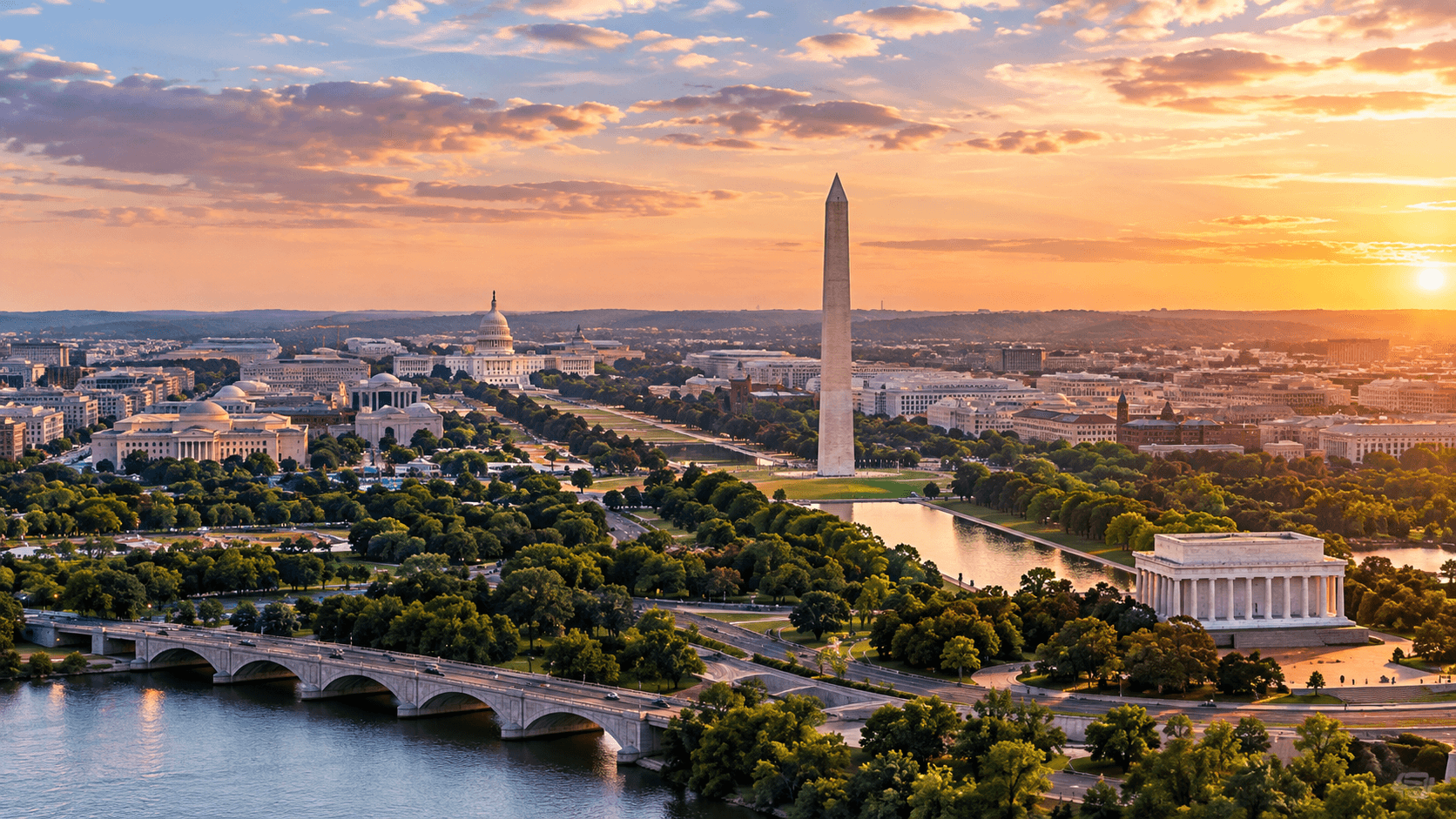
Au Pair Guide to Washington DC & Northern Virginia
Museums, neighbourhoods, food, outdoor spaces and Christian life in the capital region.
Washington DC and Northern Virginia
Washington DC is bordered by Virginia and Maryland. The wider metropolitan area is often called the DMV — DC, Maryland and Virginia.
For an au pair, the exact location of a host family matters. Arlington and parts of Alexandria have strong Metro connections; other parts of Northern Virginia are much easier with a car. A family may be close to Washington while still living some distance from useful public transport.
Before a placement, ask how you would normally reach DC, church, friends and other activities in your free time.
The National Mall
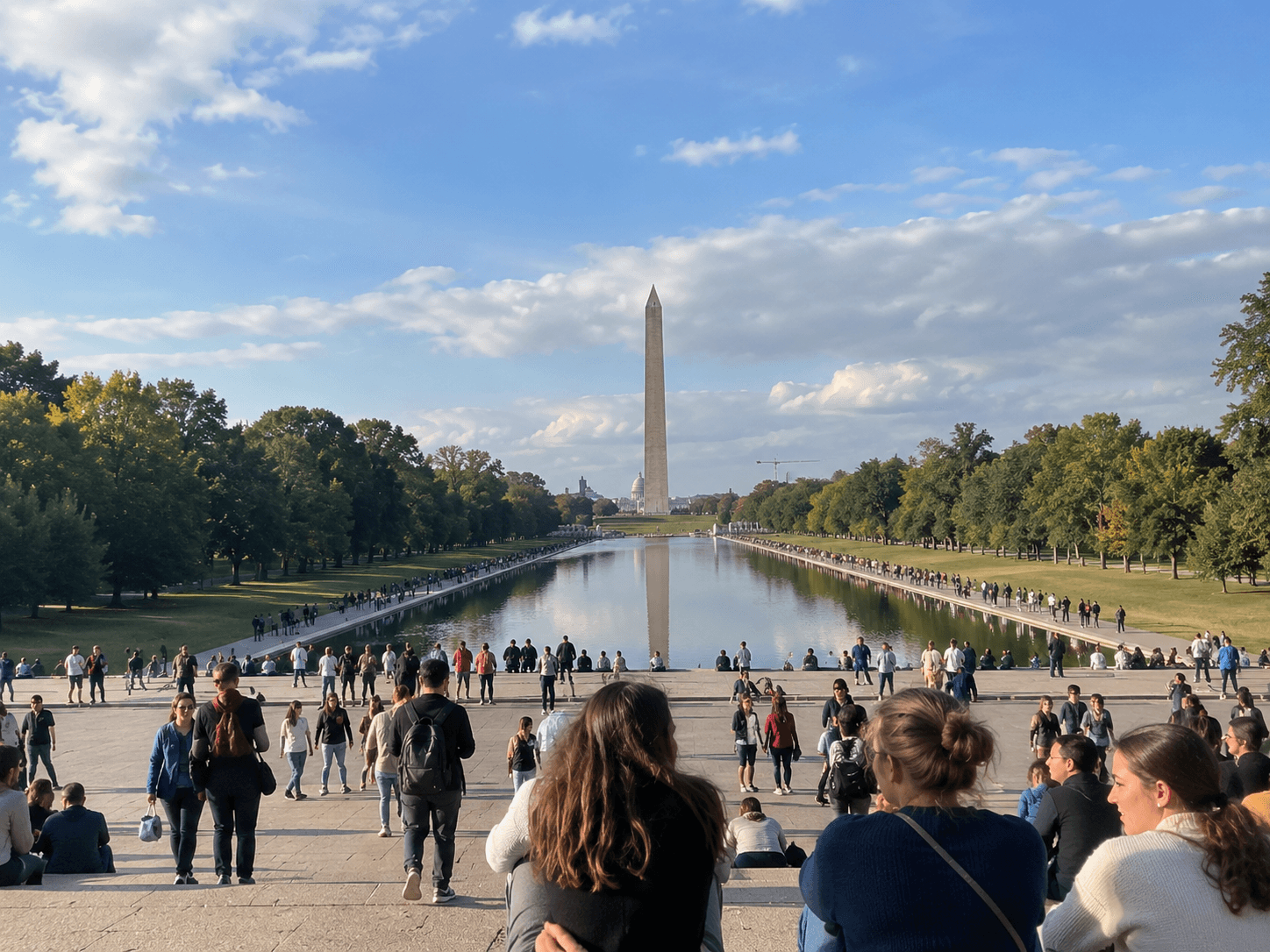
The National Mall is the natural starting point: the Capitol, Washington Monument, Lincoln Memorial, Reflecting Pool and many of the city's major museums are concentrated around one large public space.
It is also somewhere to return to rather than complete in a day. The monuments at sunset or after dark feel quite different from a busy afternoon, and the Mall works as well for a walk or picnic as it does for sightseeing.
Smithsonian museums
One of Washington's greatest advantages for a young person on a budget is the Smithsonian. Admission to Smithsonian museums in Washington is free, although some popular sites use free timed-entry passes.
The collections cover air and space, natural history, African American history and culture, American art, Asian art, portraits and much more. The National Gallery of Art and Hirshhorn add still more free collections.
Living nearby means there is little reason to rush. One museum on a free afternoon is often better than trying to see five in a day.
Old Town Alexandria
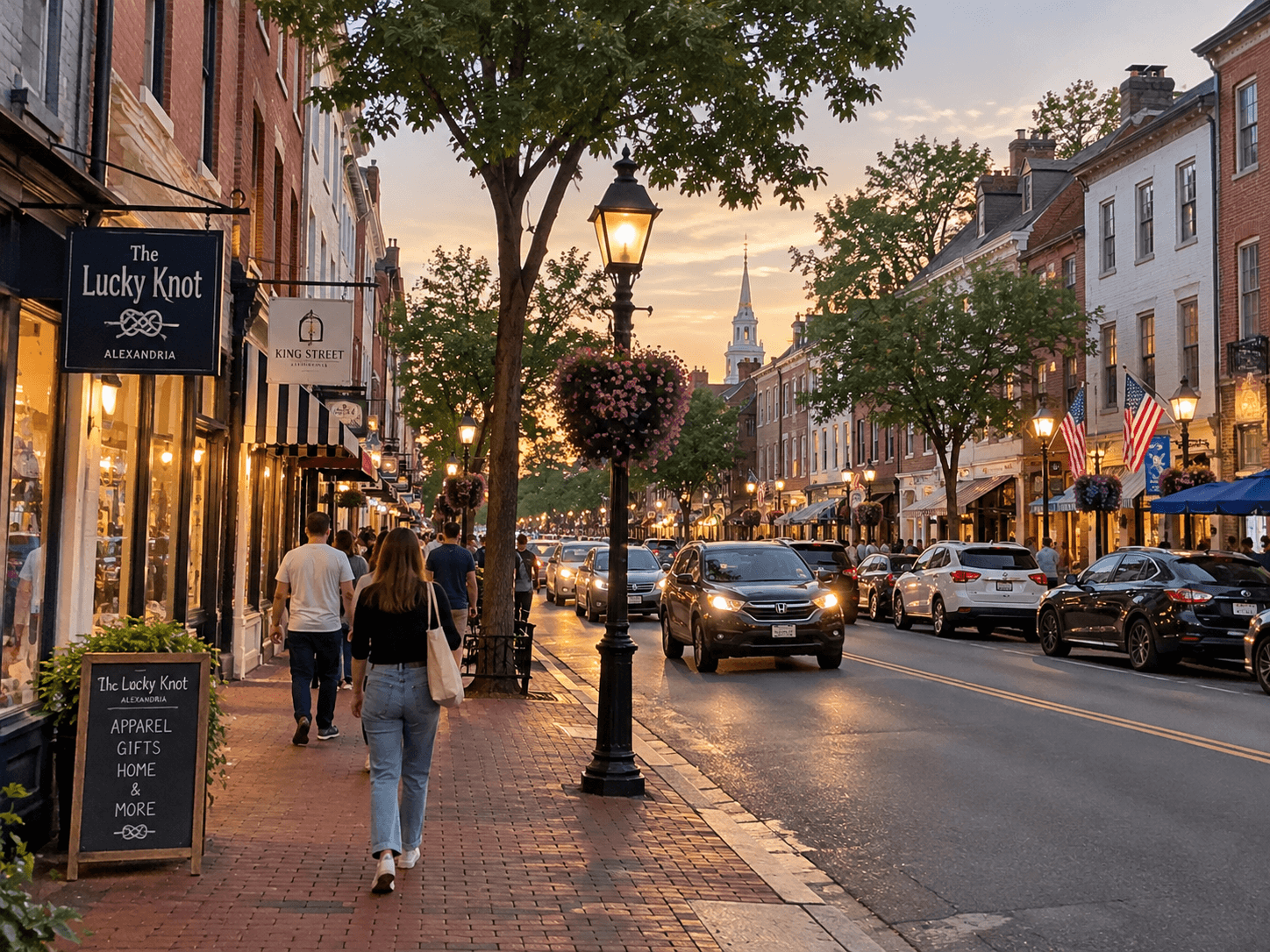
Across the Potomac, Old Town Alexandria is one of Northern Virginia's most attractive places to spend an afternoon. King Street leads through a historic district of old buildings, independent shops and cafés to the waterfront.
The city also has self-guided history routes, including its African American Heritage Trail.
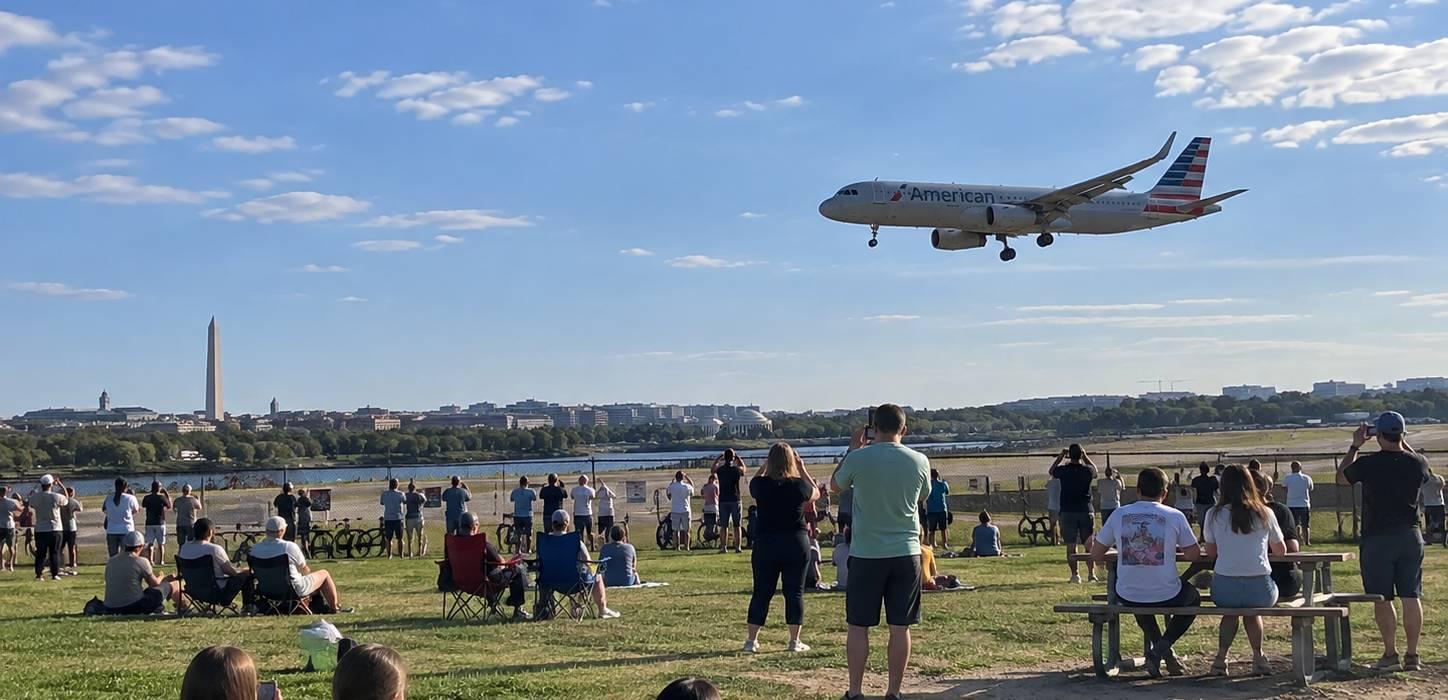
Gravelly Point
Beside Reagan National Airport, Gravelly Point is a popular riverside park where aircraft pass remarkably low overhead on their approach to the airport. It costs nothing to sit on the grass, meet friends and watch the planes.
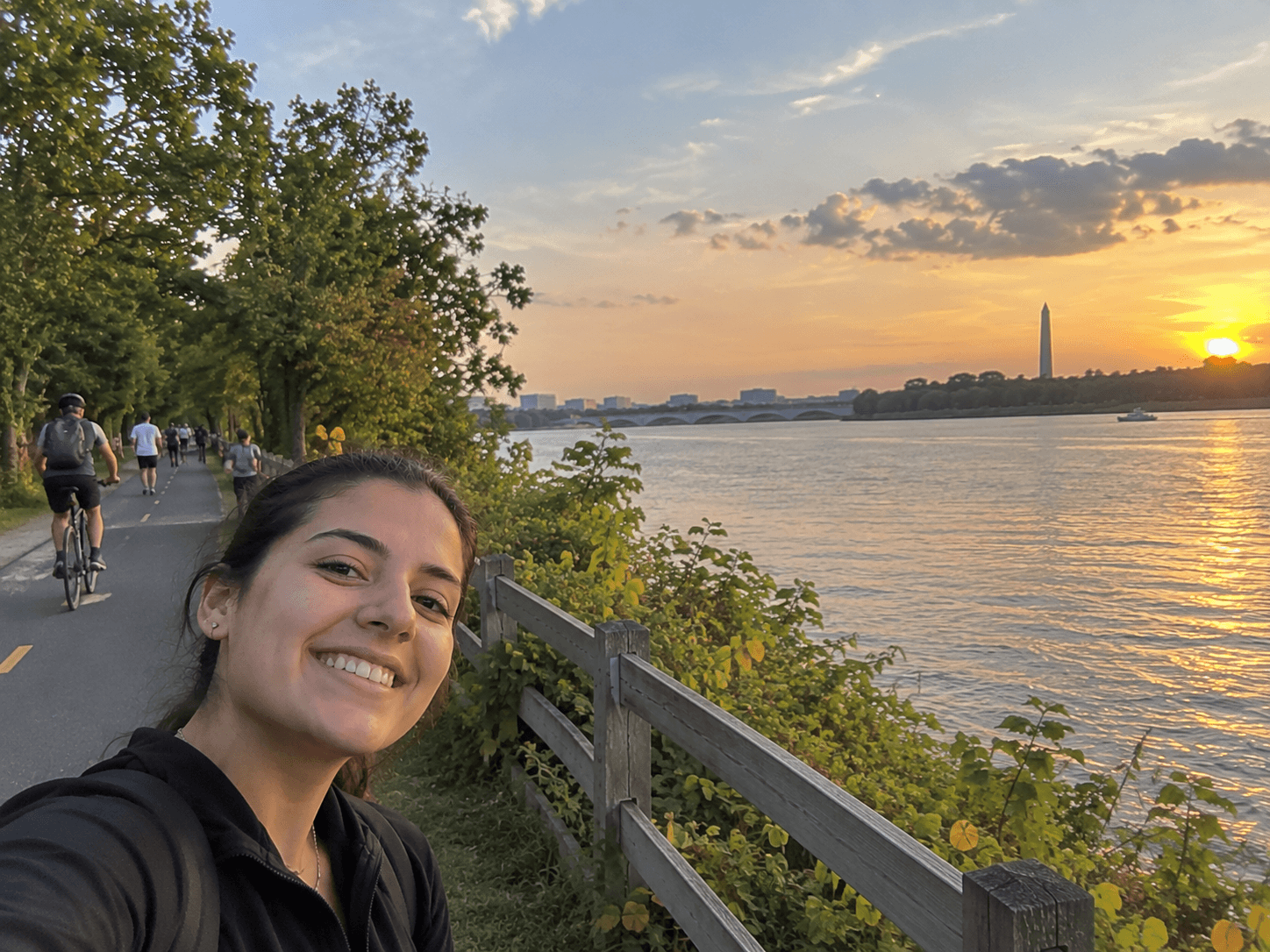
The Potomac and Mount Vernon Trail
The Mount Vernon Trail follows the Virginia side of the Potomac for almost 18 miles between the Rosslyn area and Mount Vernon.
Short sections work well for walking or cycling and provide views across the river towards Washington.
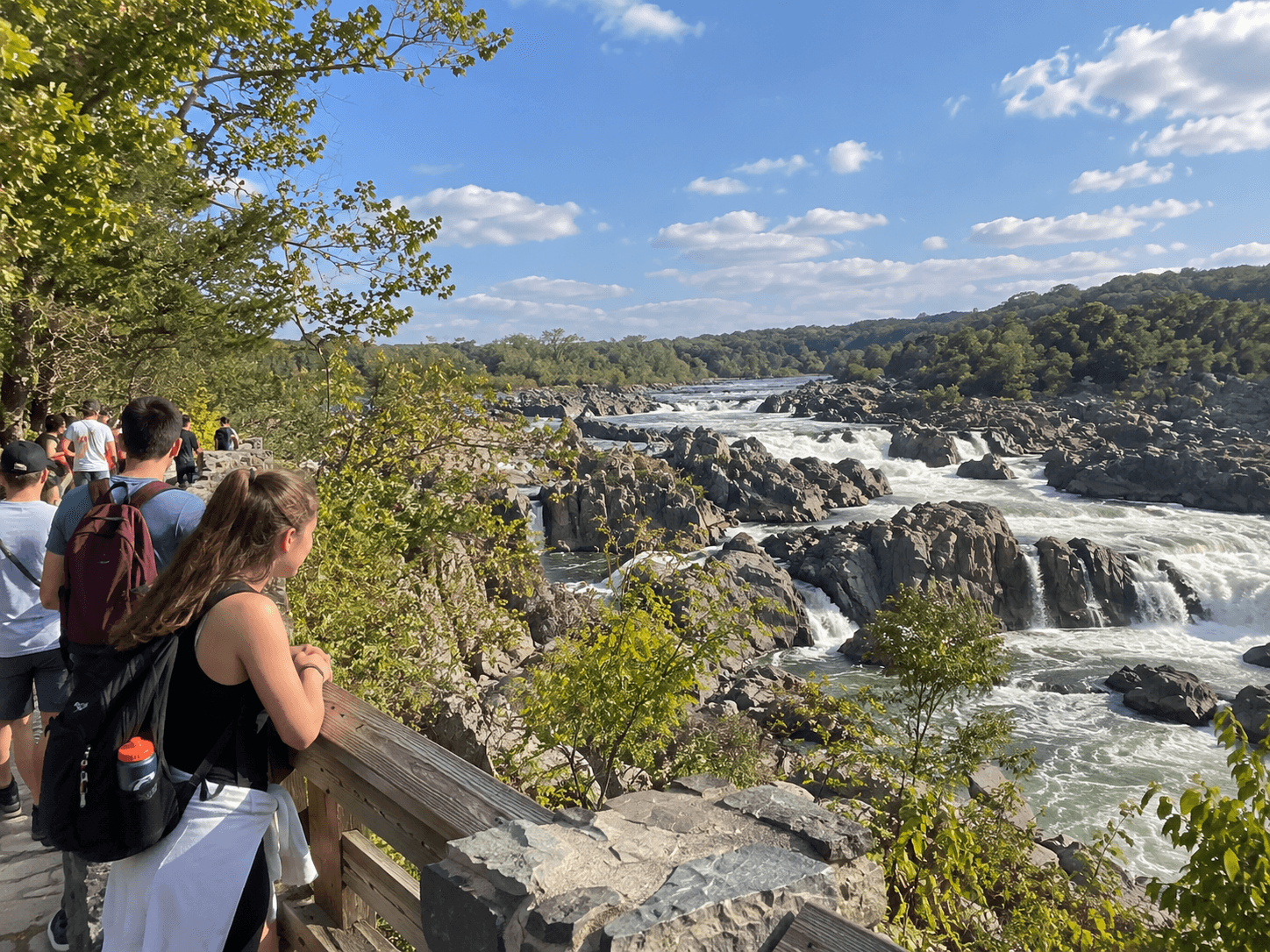
Great Falls
Farther west, Great Falls Park shows a completely different side of the region. The Potomac narrows through rocky falls and rapids, with overlooks close to the visitor area and a network of hiking trails.
There is an entrance charge, so this is better suited to a shared car trip than an everyday free outing.
Food in the DC area
Washington's food reflects both the city itself and the many communities that have settled around it.
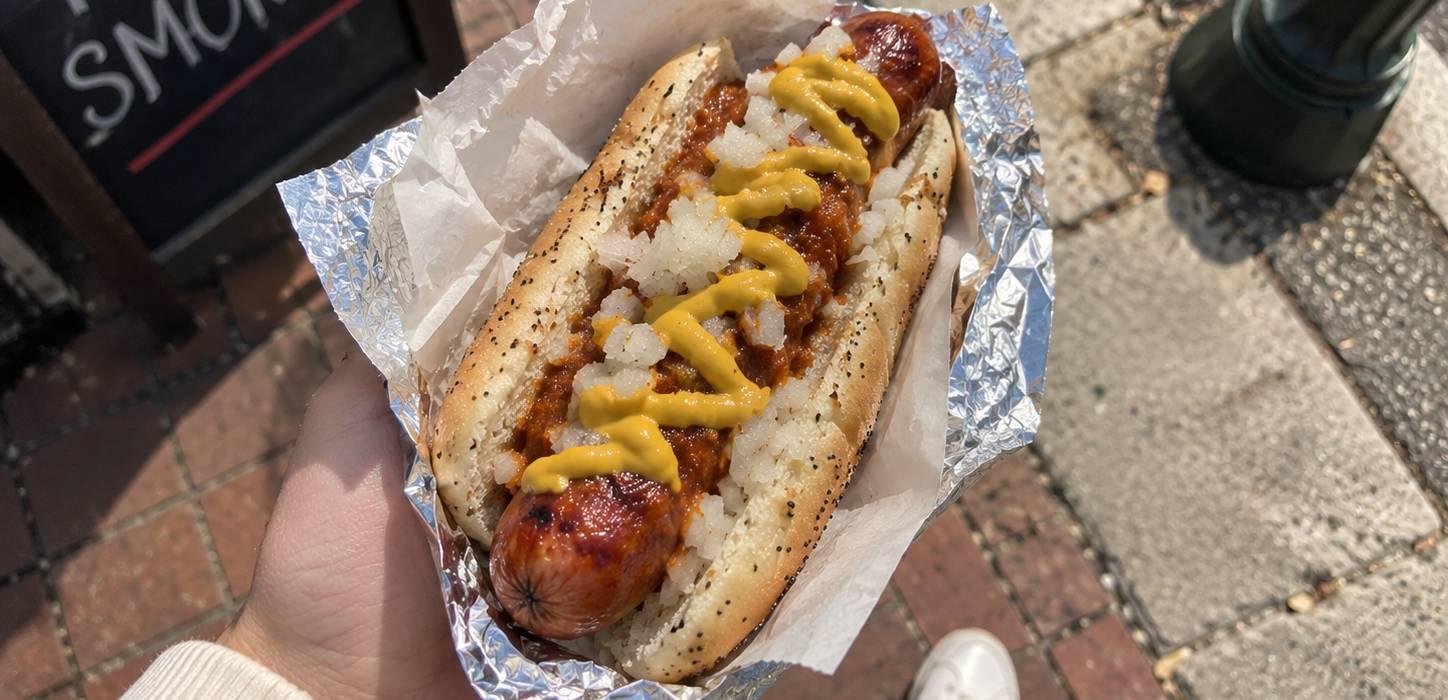
A half-smoke is one of the best-known local foods: a coarse, smoky sausage commonly served in a bun. Mumbo sauce — sweet, tangy and associated particularly with DC carry-outs — is another local flavour. The wider Chesapeake region brings crab and Old Bay seasoning into the picture.
DC also has a particularly important Ethiopian food culture. Sharing injera with different stews and vegetables is inexpensive, social and characteristic of the city. The wider region also has large Central American communities, making Salvadoran pupusas and other Latin American foods easy to find.
For an au pair, eating out does not need to mean expensive restaurants. Trying unfamiliar neighbourhood food with friends can become part of discovering the city.
Christian life in Washington
For a Christian au pair, church can be one of the quickest ways to build a life outside the host family's home. Washington has large evangelical churches, historic denominations, Catholic young-adult communities and an interesting network of worship and prayer ministries.
The following are starting points rather than Christian Au Pairs endorsements. Churches and ministries change, so current gatherings should always be checked before travelling.
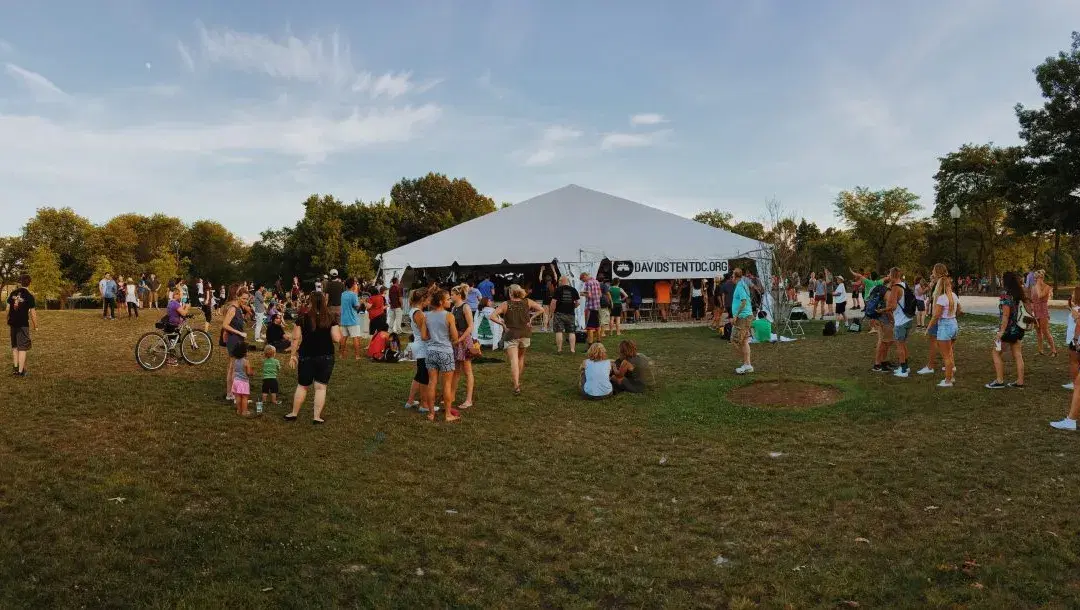
David's Tent DC
David's Tent DC maintains continuous worship and prayer on the National Mall. It began hosting 24/7 worship in 2015 and welcomes worshippers from different denominations, cultures, ages and styles. The tent is free and open around the clock.
For someone from a worship-focused or charismatic church background, it is particularly worth knowing about. You can visit for part of an evening, go with friends after a day in the city, pray, worship, or simply see what is happening. Worship teams from across the United States take part throughout the year.
National Community Church
National Community Church's main DC gatherings are at Capital Turnaround. Contemporary worship, small groups, Culture Nights and its House of Prayer make it particularly relevant for young adults who want church life during the week as well as a Sunday service.
NCC has a dedicated young-adult community for ages 18–35. Its Culture Nights currently take place twice a month and combine food, meeting people, worship and teaching. NCC also holds a weekly House of Prayer with focused worship and prayer.
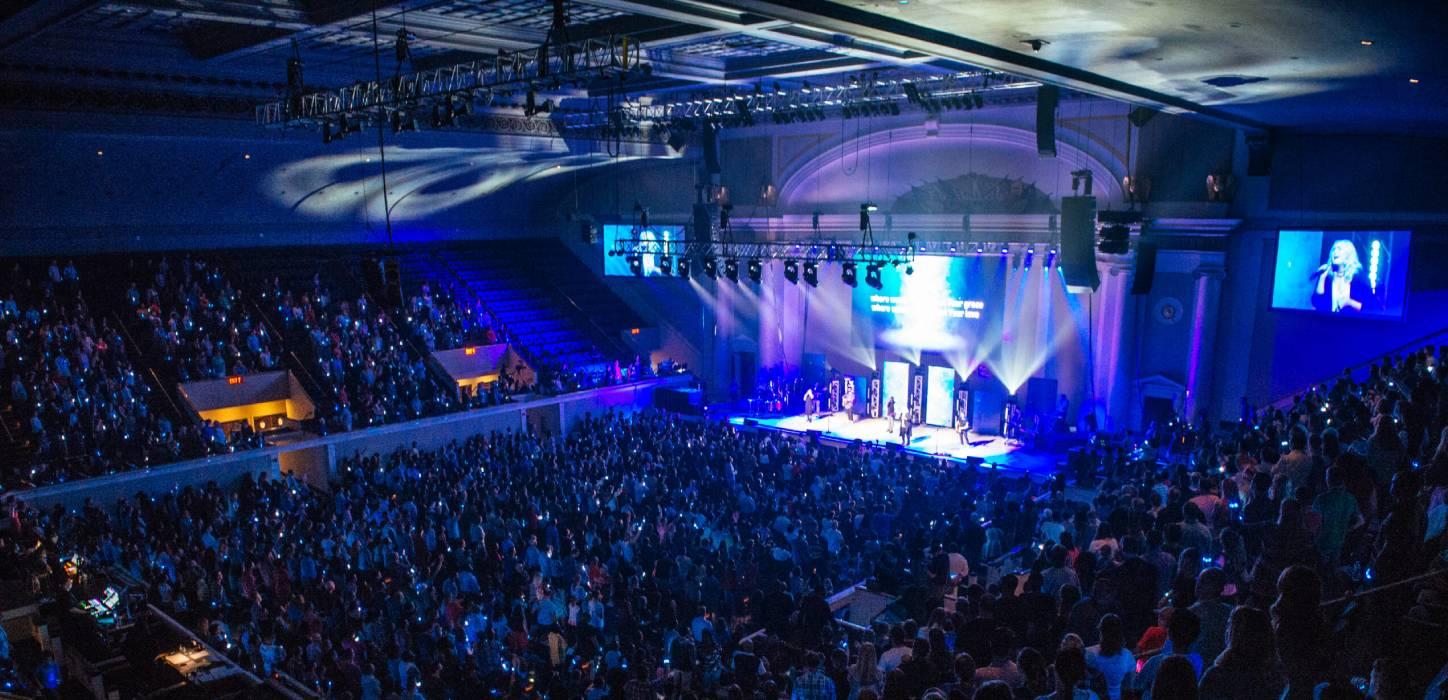
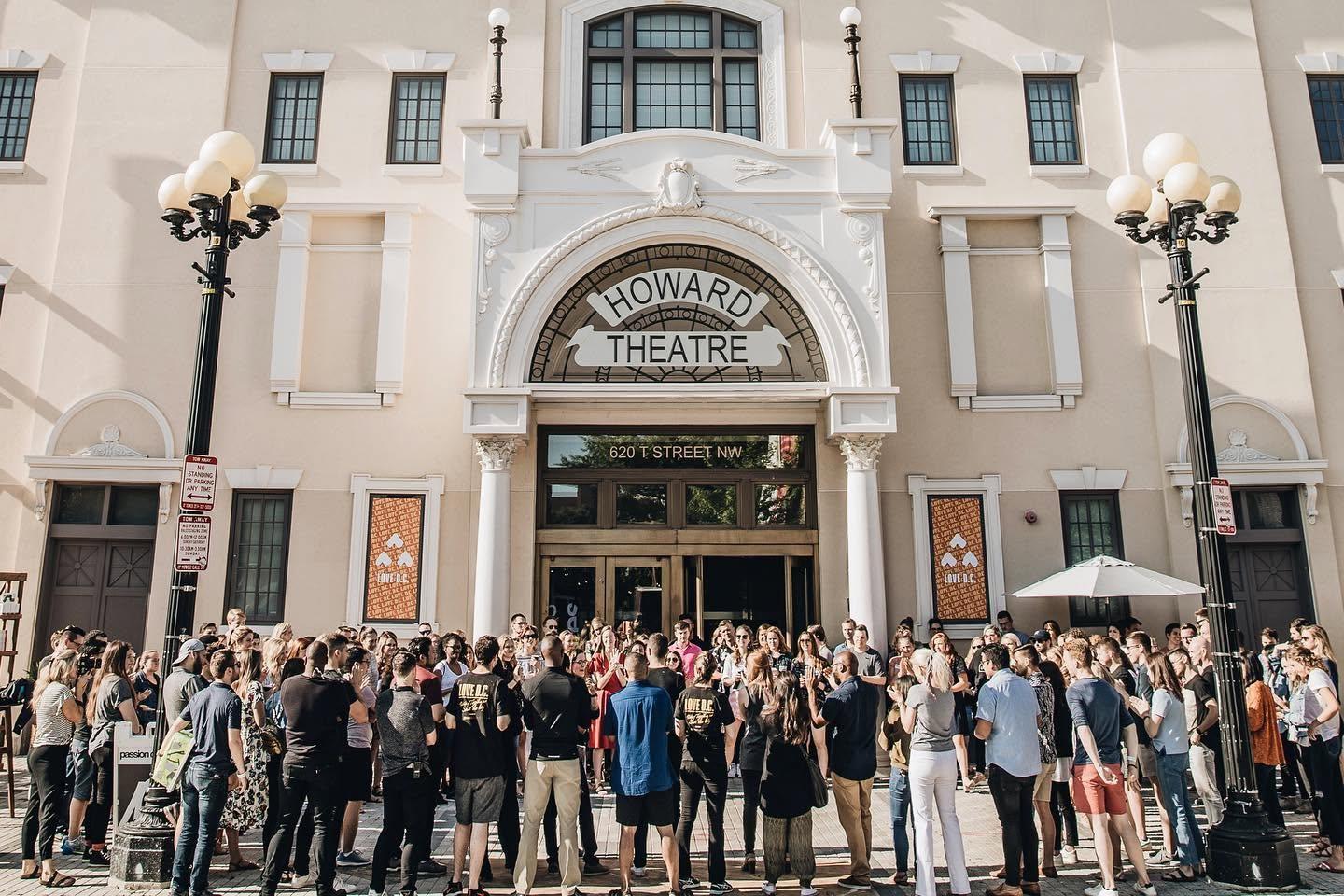
Passion City Church
Passion City Church meets at the Lincoln Theatre on U Street and will be familiar in style to many young Christians from contemporary evangelical churches.
Its community life extends beyond Sundays through groups, meetups and gatherings around DC and Northern Virginia.
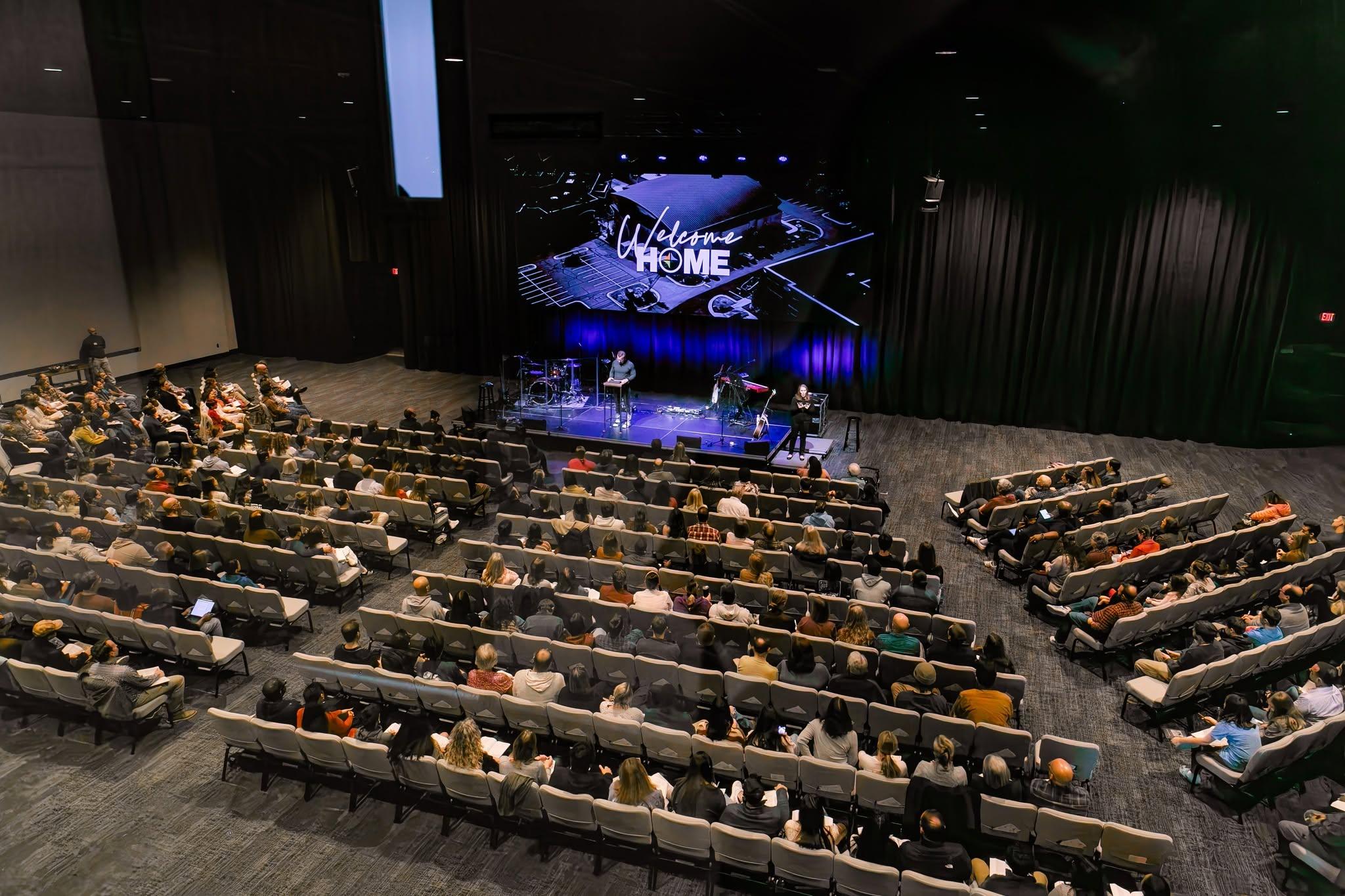
McLean Bible Church
McLean Bible Church is a large evangelical, non-denominational church with several locations around the region. Its Tysons campus is particularly relevant to Northern Virginia placements.
Citywide, its young-adult ministry, is aimed at people from 18 into their early 30s and brings young Christians together for teaching, food and community.
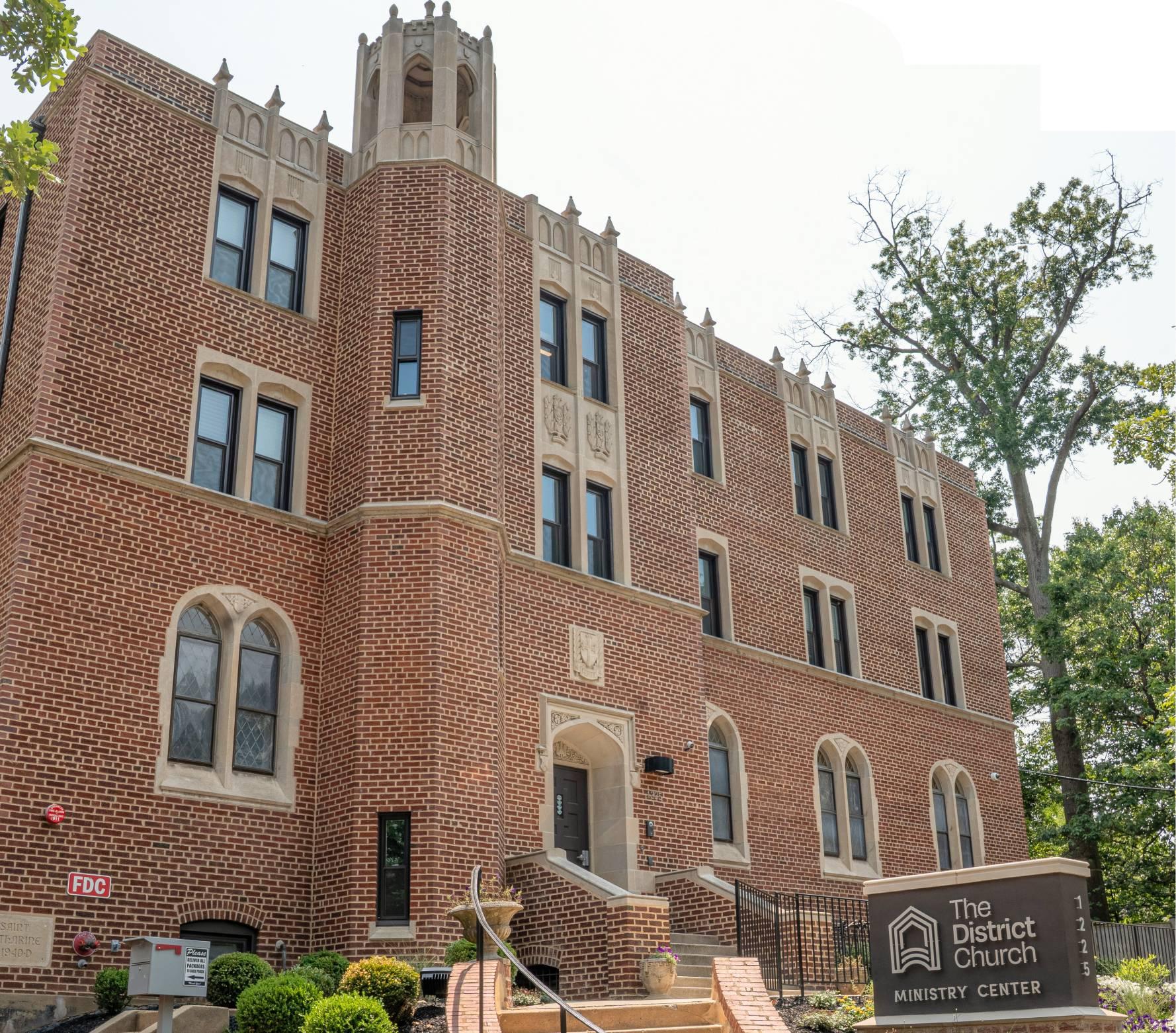
The District Church
The District Church in Columbia Heights is an evangelical church with a strong emphasis on worship, community and service in the city.
Its college ministry includes regular meals, discussion and prayer, while other groups provide routes into community for older young adults.
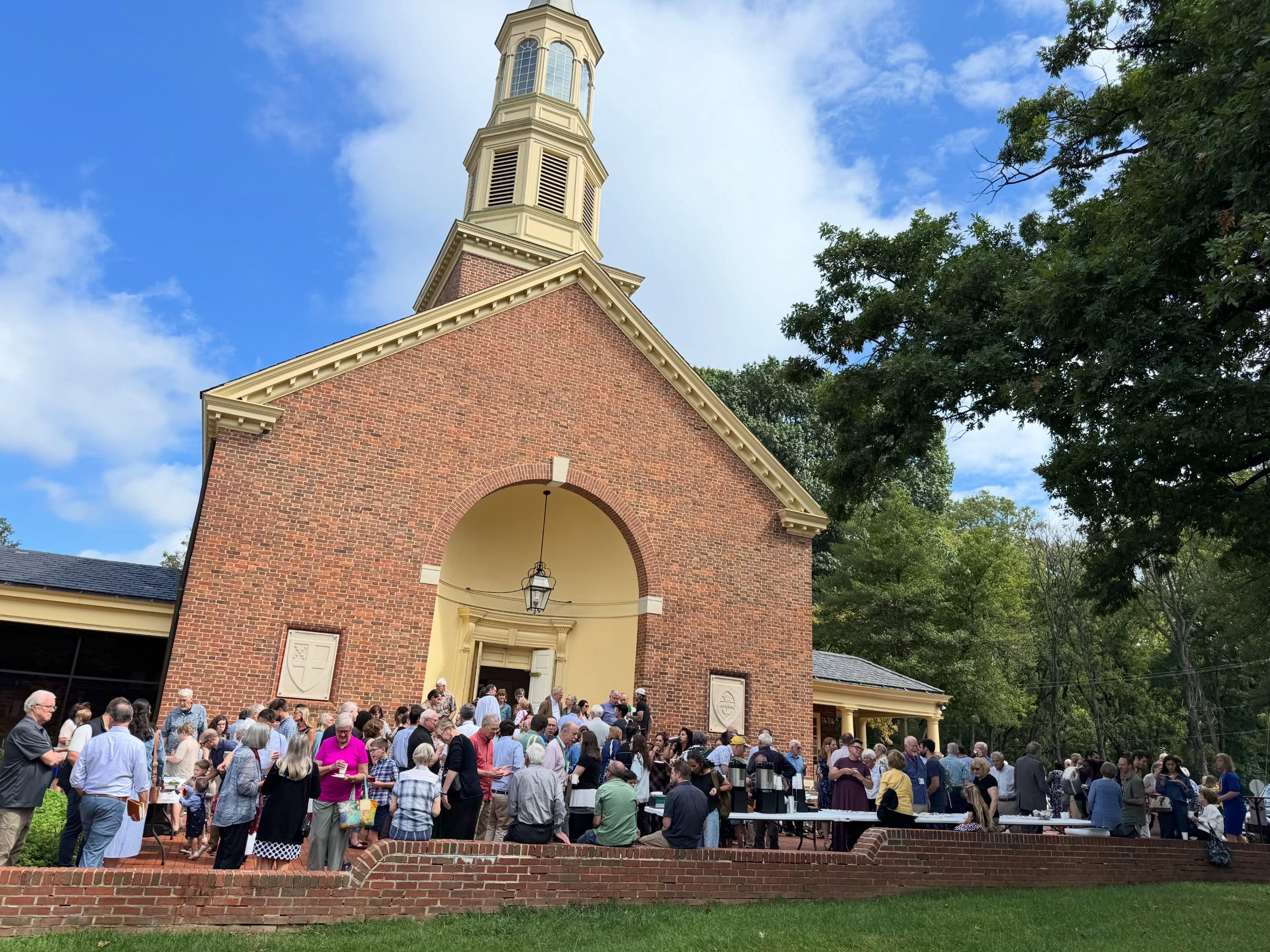
Truro Anglican Church
Truro in Fairfax offers an Anglican option for au pairs who prefer a more liturgical tradition while still wanting an active evangelical church community.
Its wider life includes discipleship, community groups and ministry for people in their 20s and 30s.
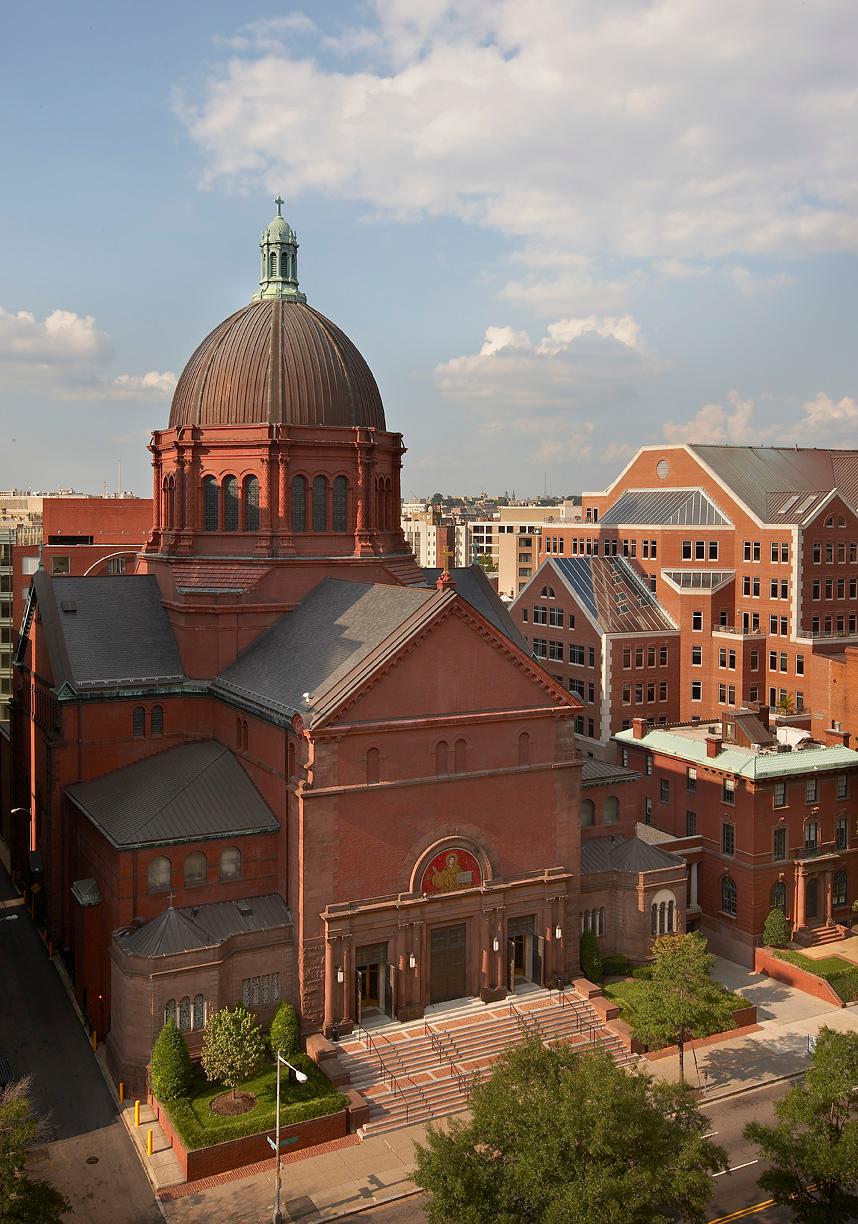
Catholic young adults
Catholic au pairs also have a substantial young-adult network in the area. The Cathedral of St Matthew the Apostle has a community for ages 21–39 with spiritual, service and social activities.
The Ark at St Ann Catholic Church in Tenleytown is aimed particularly at young professionals and runs regular gatherings, small groups and Holy Hours.
Getting around
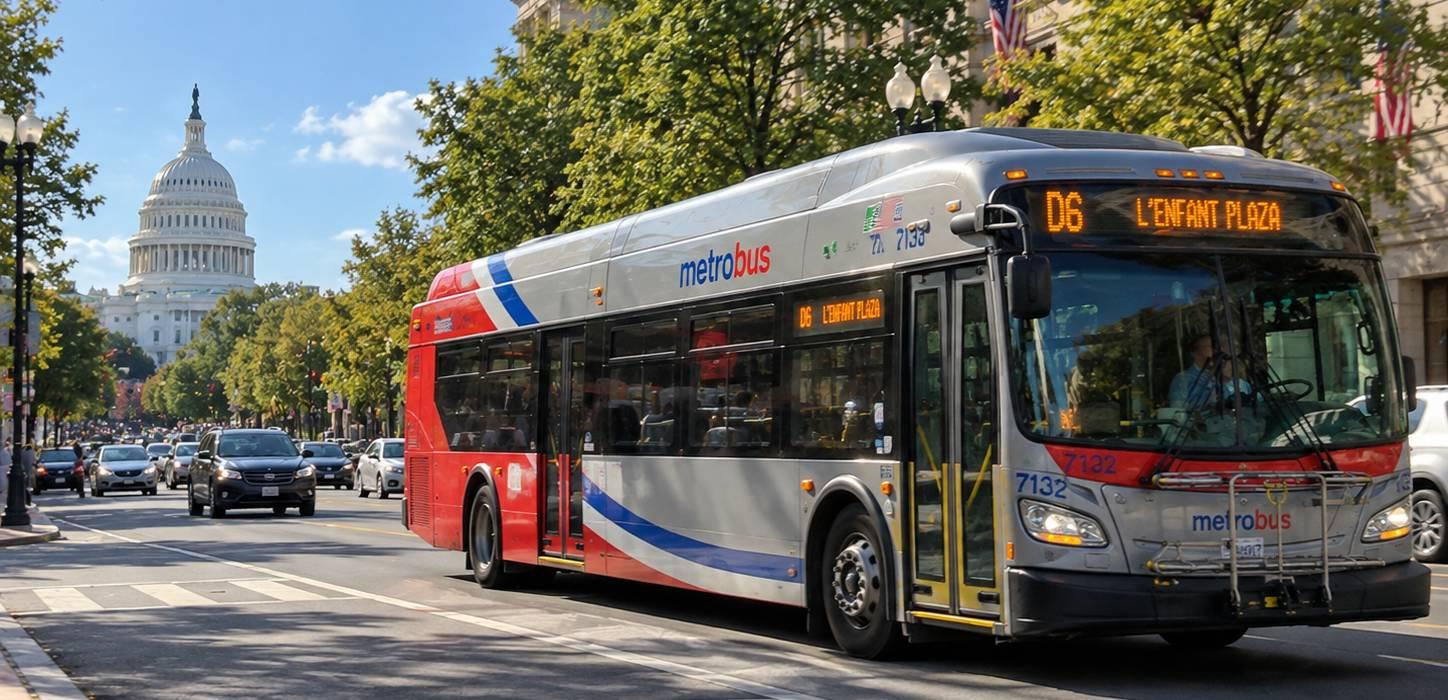
Metrorail and Metrobus cover Washington and parts of Northern Virginia, and Metro accepts SmarTrip and contactless payment. If your host family lives close to a station, much of central DC can be explored independently.
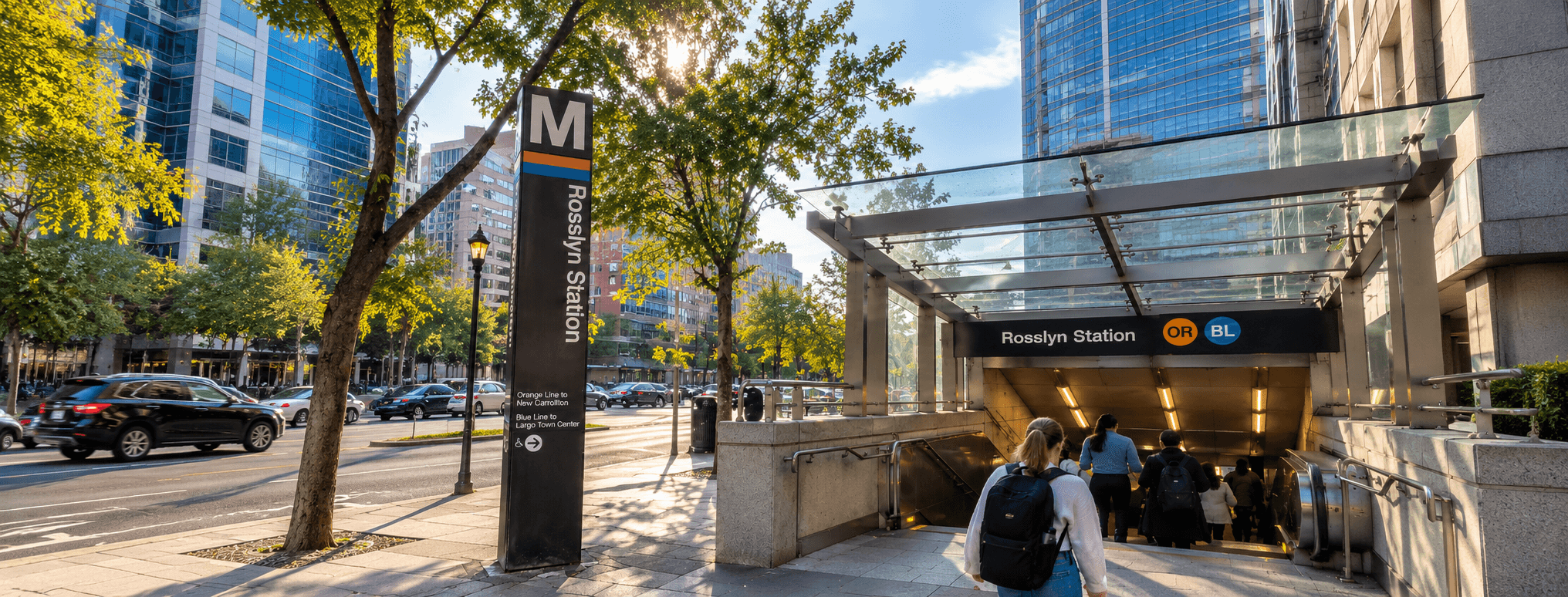
Farther into Northern Virginia, a car becomes much more useful. This matters for social life as much as sightseeing: a church or young-adult event may be geographically close but difficult to reach by public transport.
Once in central Washington, walking is often the simplest option.
Living here, not just visiting
An au pair placement near Washington offers more than a list of famous American landmarks. A normal month might include a Smithsonian museum, Ethiopian food with friends, worship at David's Tent, a young-adult night at church, a walk beside the Potomac and a Saturday in Alexandria.
Having months rather than days gives you time to find a church, make friends, discover favourite neighbourhoods and develop your own routines.
Washington gradually becomes less of a destination and more of somewhere you have lived.