Can I be asked to clean the bathroom?
General bathroom cleaning is not a standard child-related duty. Some historically broader roles mention it, but it must be specifically agreed and legally appropriate.
An au pair's main responsibility is caring for the host family's children. This guide helps everyone agree what is reasonable before a placement begins.
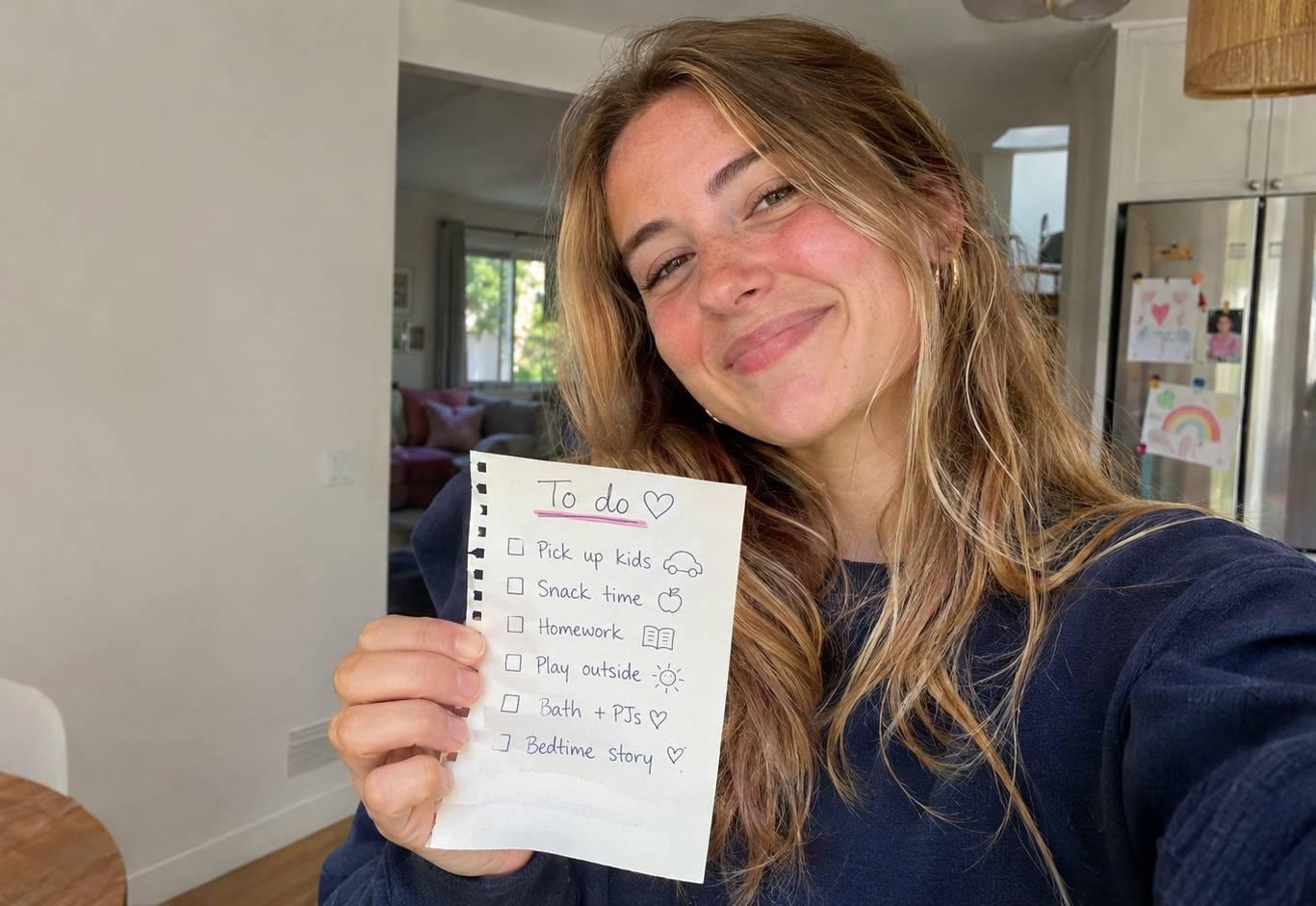
| Task | Guidance | Why |
|---|---|---|
| Supervising and playing with children | Usually appropriate | Childcare and wellbeing are the heart of the role. |
| Preparing children's meals | Usually appropriate | Food preparation for children is a direct childcare task. |
| Dressing and bathing children | Usually appropriate | Part of age-appropriate daily care, with suitable experience and safeguards. |
| School runs and activities | Usually appropriate | Supports children's routines, provided driving is agreed, lawful and insured. |
| Helping with homework | Usually appropriate | Encourages learning and fits naturally into childcare time. |
| Washing children's clothes | Usually appropriate | A child-related household task rather than general family laundry. |
| Tidying toys and children's rooms | Usually appropriate | Keeps children's spaces safe and usable. |
| Clearing up after children's activities | Usually appropriate | A reasonable extension of the activity itself. |
| Emptying the family dishwasher | Discuss first | Normal shared household participation, but unfair as an assumed daily work duty. |
| Helping prepare family meals | Discuss first | Occasional family participation differs from being the household cook. |
| Grocery shopping | Discuss first | May support children's needs, but regular family shopping expands the role. |
| Cleaning the kitchen and bathrooms | Discuss first | Some historic Au Pair Plus guidance permits light cleaning, but the standard au pair role does not presume it; US sponsor restrictions may prohibit it. |
| Deep-cleaning the entire home | Not standard | This is a cleaner's job, not routine childcare support. |
| Washing and ironing all clothes | Not standard | Benefits the whole household rather than the children. |
| Routinely cooking family dinners | Not standard | Makes the au pair a general household cook. |
| Gardening, car washing, DIY | Not standard | Unrelated to caring for the children and may add safety risks. |
| Regular pet care | Not standard | A separate ongoing responsibility, not a child-related duty. |
| Cleaning a family business property | Not standard | Work for another home or enterprise lies outside the normal placement. |
| Babysitting during time off | Not standard | Childcare is work; it must be scheduled and counted within permitted hours. |
| 'On call' expected at all times | Not standard | Living with the family does not remove working-time and rest boundaries. |

Children's safety and wellbeing take priority over household chores. A busy day caring for younger children may leave little time for laundry or tidying. Expectations should reflect each child's needs and the au pair's experience.
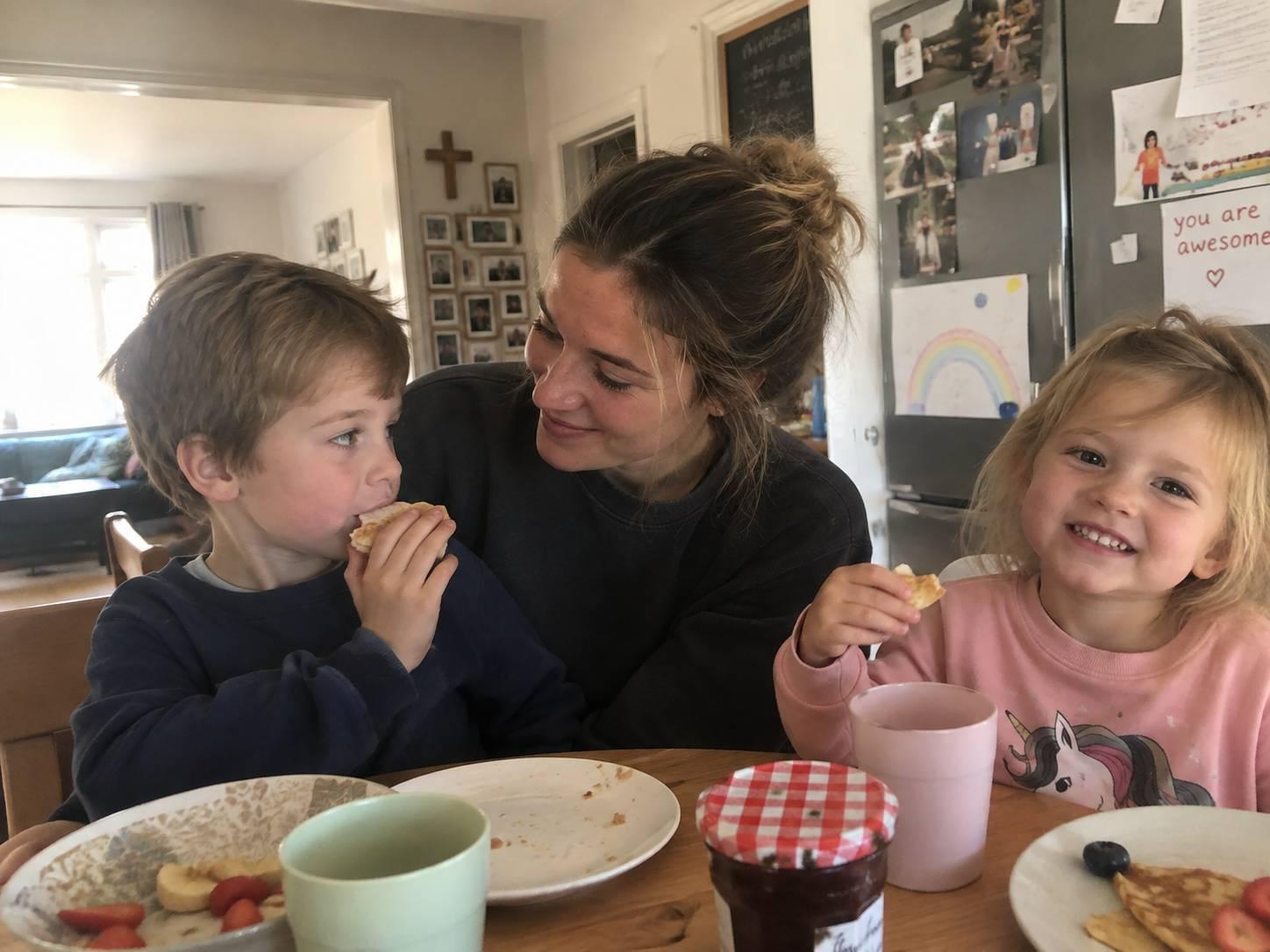
Au pairs can share meals, church life and ordinary household contributions. That is different from being assigned regular cleaning or extra childcare in their free time. Respect privacy, rest and personal plans.
Host families and au pairs should confirm a written timetable and checklist of recurring duties before accepting a placement. Include hours, babysitting, pay, time off, driving, accommodation and any specialist childcare requirements. Changes must be mutually discussed and remain lawful.
General bathroom cleaning is not a standard child-related duty. Some historically broader roles mention it, but it must be specifically agreed and legally appropriate.
Preparing children's meals is usual. Occasionally joining in family cooking is different from having standing responsibility for all family dinners.
Yes, when you are responsible for the children. It must fit within the agreed schedule and applicable limits.
Ask to review and document the new expectations before taking on regular extra tasks.
Contact info@christianaupairs.com. In the USA, also contact your authorised programme sponsor/local coordinator. If there is immediate danger, seek local emergency help.